Learn · HLTAAP002
Body systems
How each system works, and what it means for your massage practice.
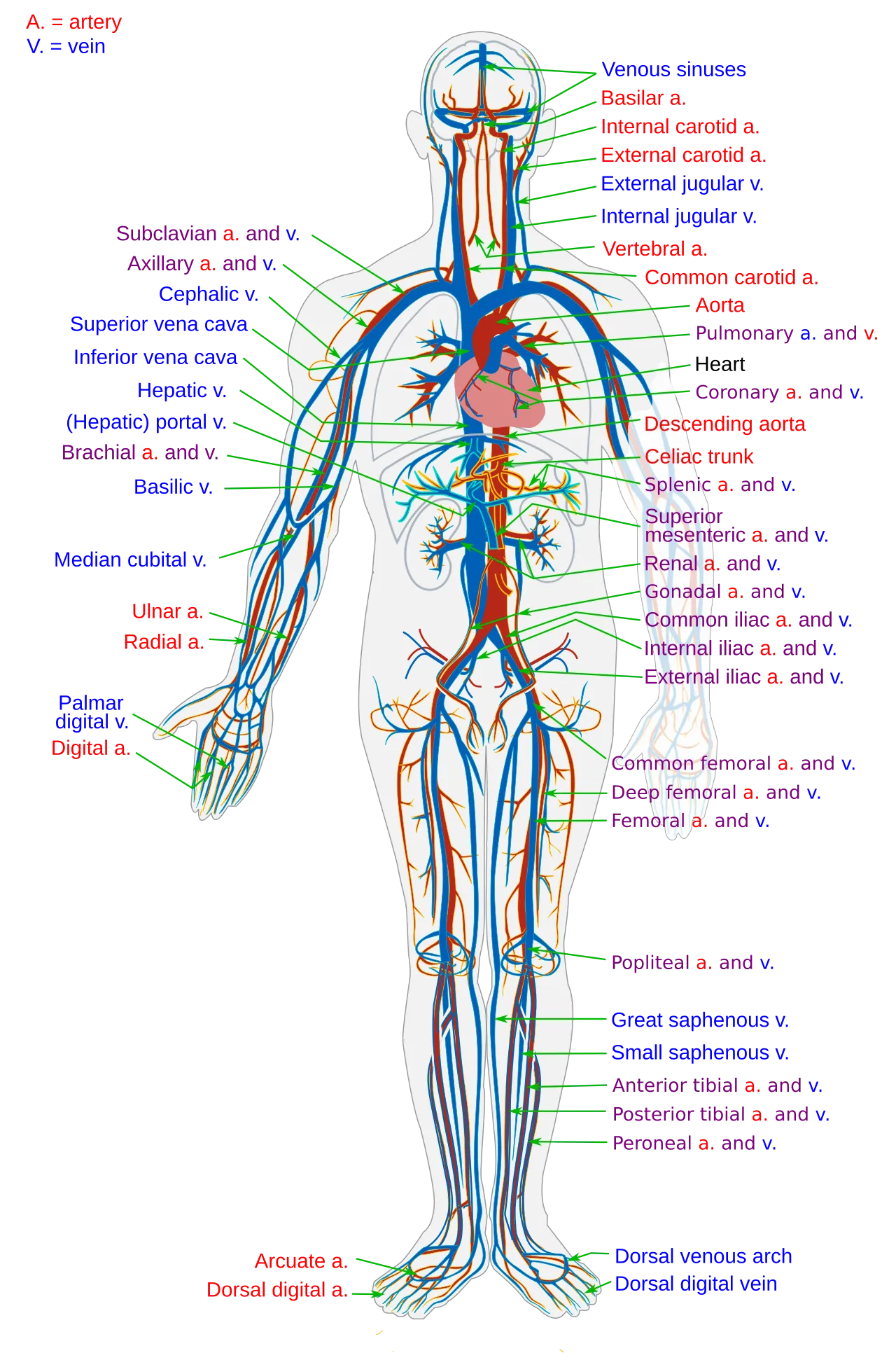 Cardiovascular systemThe heart, blood vessels and about 5 litres of blood, which carry oxygen, nutrients, hormones and heat around the body and take away carbon dioxide and wastes.Draft
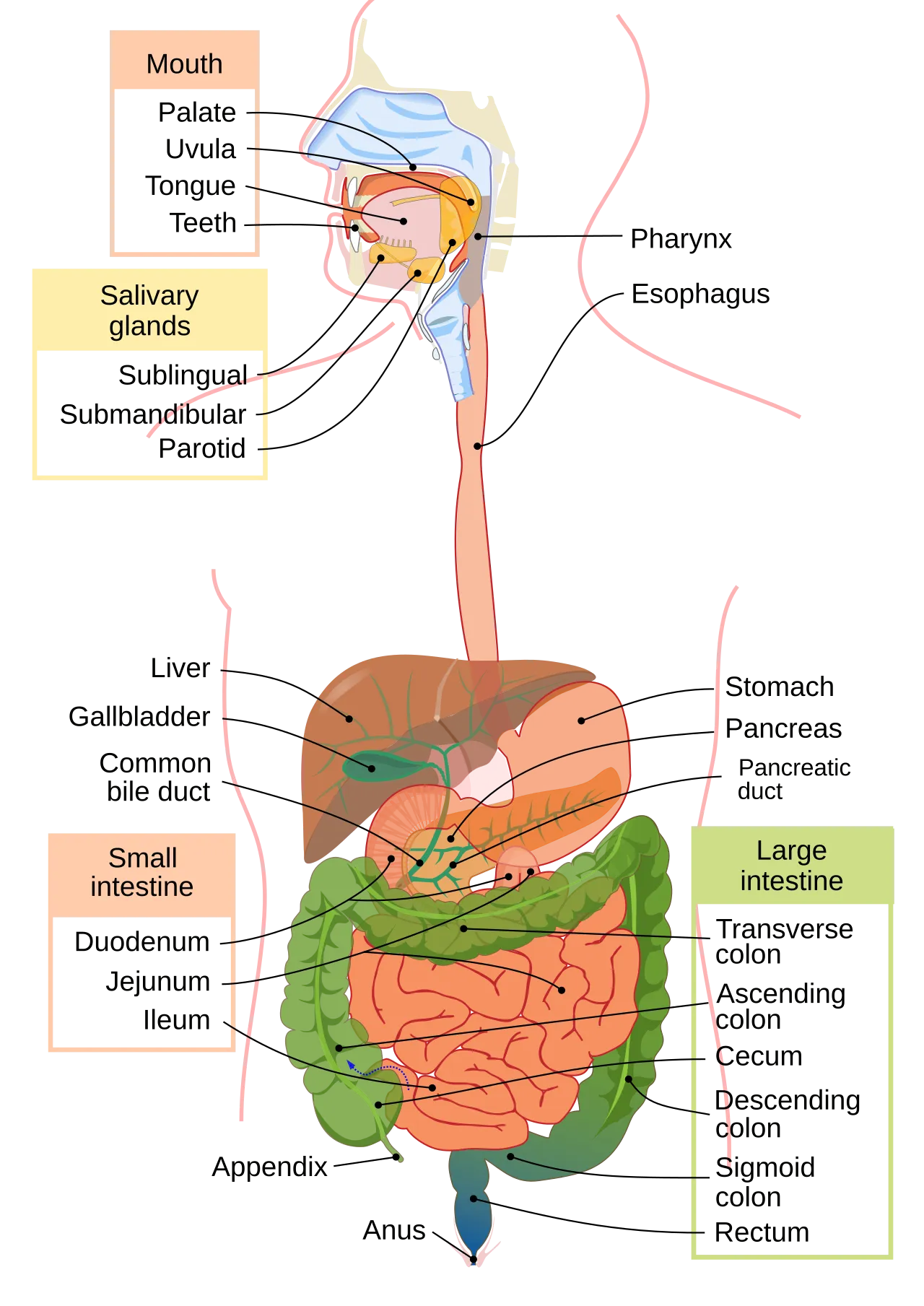 Digestive systemThe gastrointestinal tract from mouth to anus, plus the liver, gallbladder, pancreas and salivary glands, which break food down, absorb nutrients and water, and remove solid waste.Draft
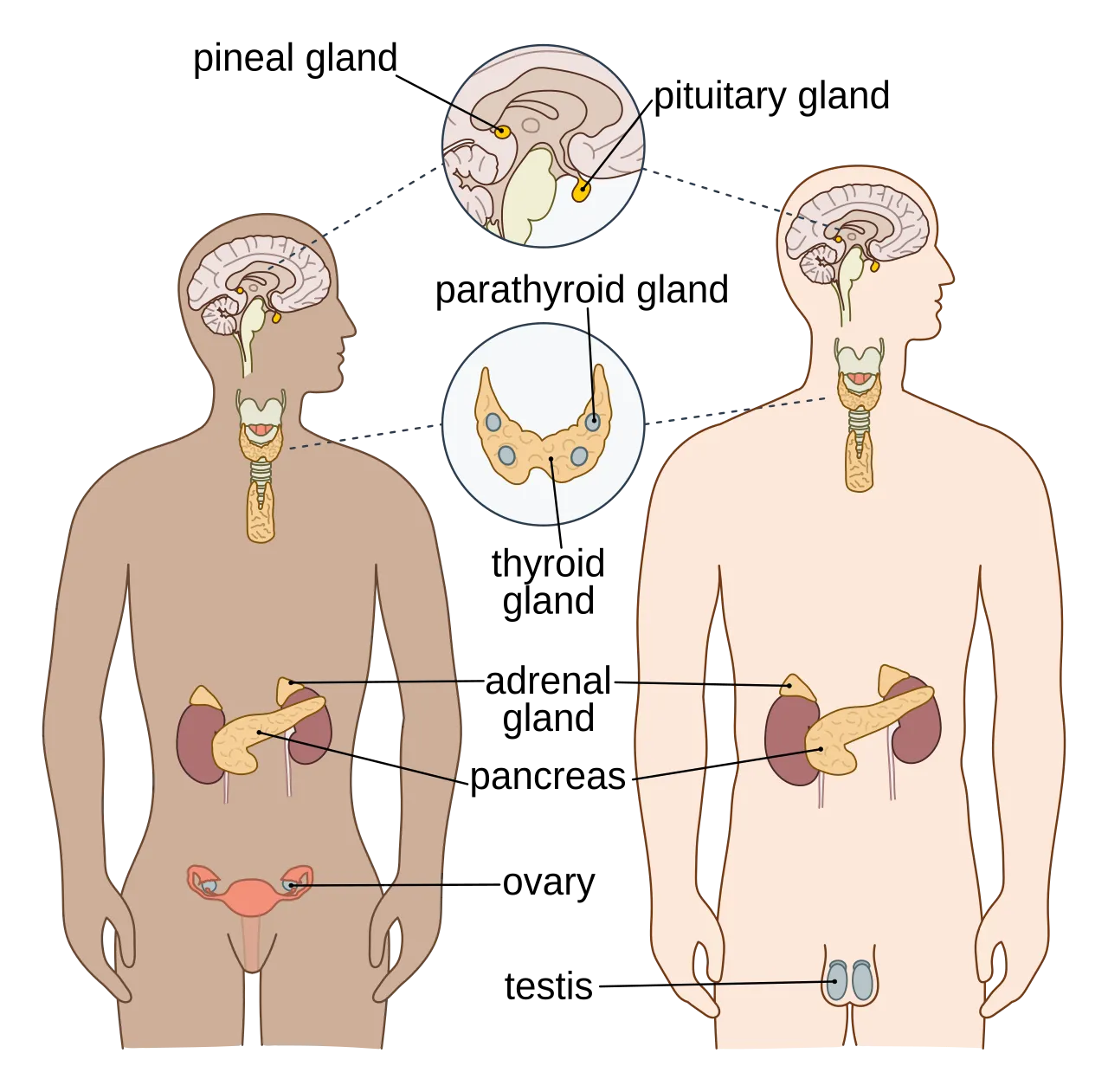 Endocrine systemA set of glands that release hormones into the blood to control slower, longer-lasting processes such as growth, metabolism, blood sugar, the stress response and reproduction.Draft
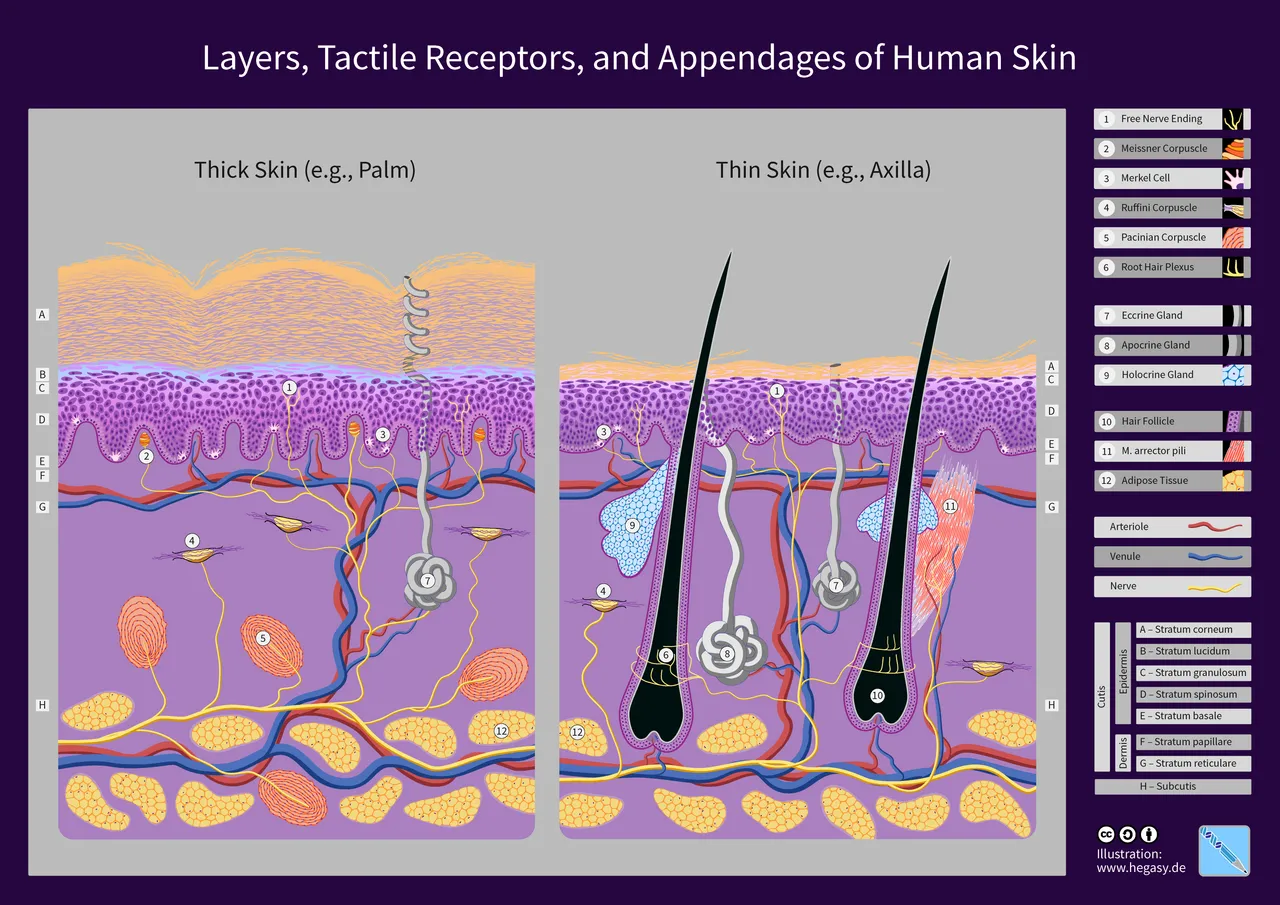 Integumentary systemThe skin, hair, nails and skin glands, which form the body's outer barrier, sense touch, pressure and temperature, help control body temperature and make vitamin D.Draft
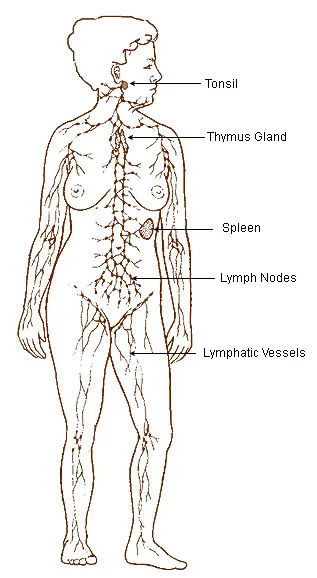 Lymphatic and immune systemA network of lymph vessels, lymph nodes and lymphoid organs that returns leaked fluid to the blood, carries absorbed fats, and houses the white blood cells that defend the body against infection.Draft
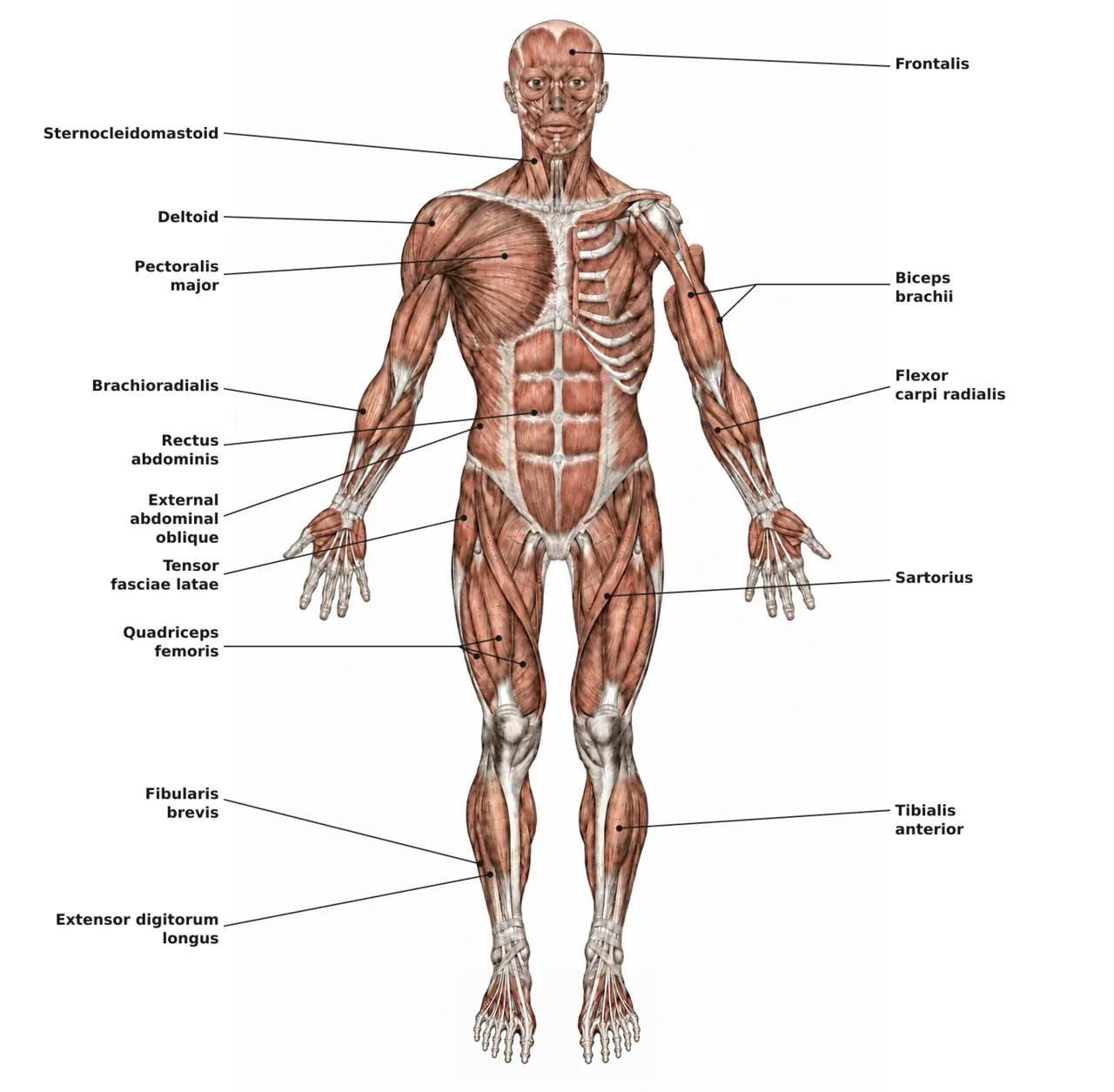 Muscular systemThe body's more than 600 skeletal muscles, with their tendons and fascia, which move the skeleton, hold posture, protect joints and produce most of the body's heat.Draft
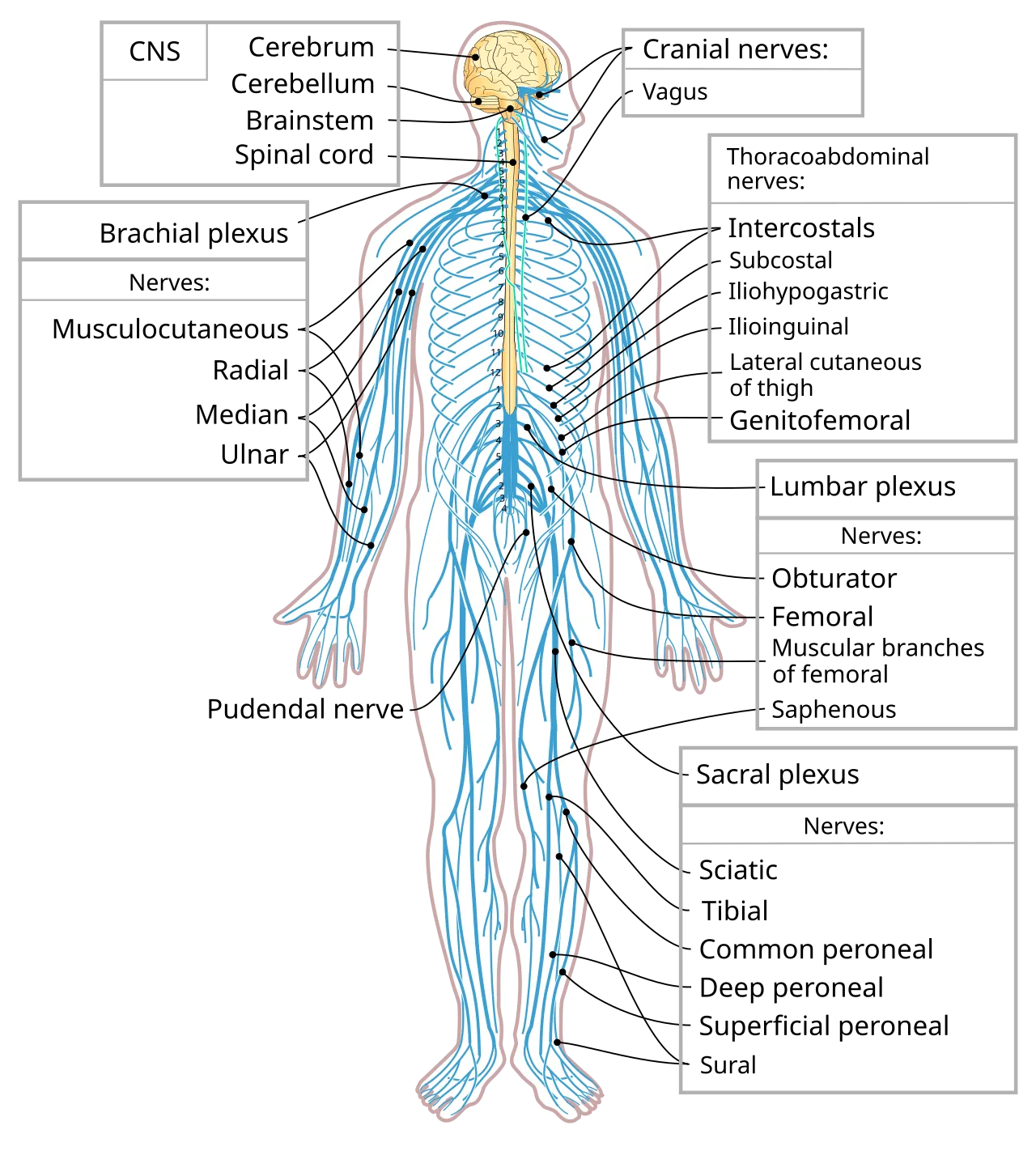 Nervous systemThe body's fast communication network, made up of the brain, spinal cord and nerves, which senses, interprets and responds to everything that happens in and around the body.Draft
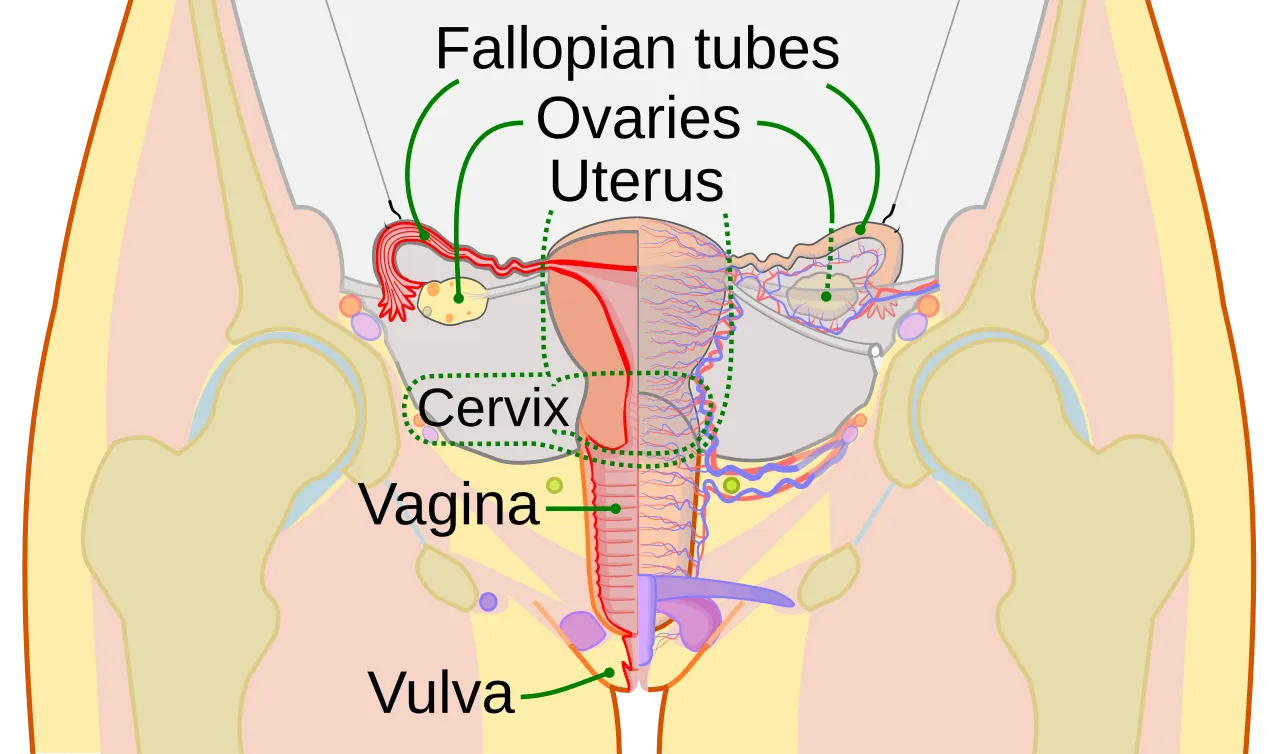 Reproductive systemThe organs that make sex cells and sex hormones and, in females, support pregnancy and birth; they also shape development at puberty.Draft
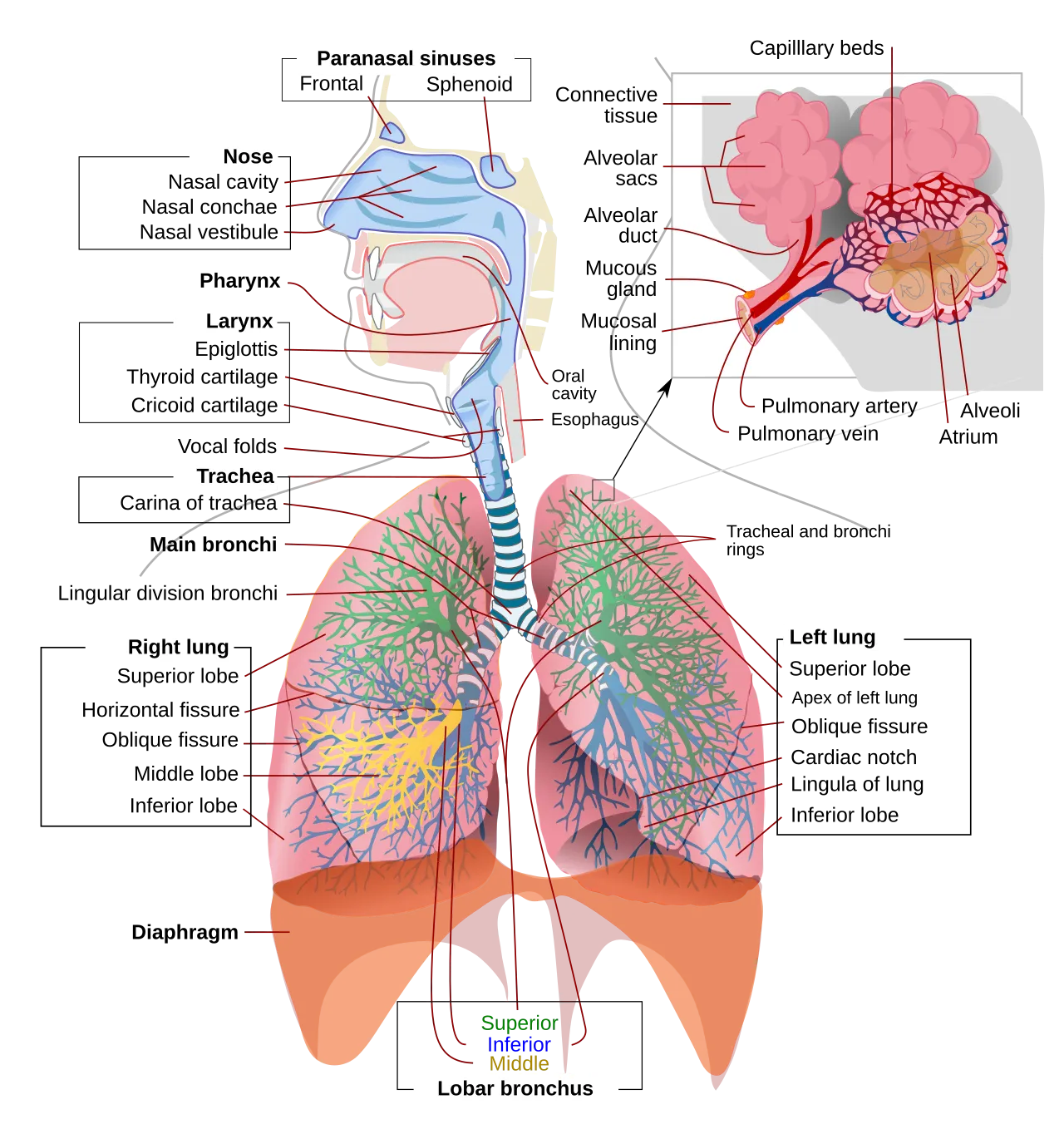 Respiratory systemThe airways, lungs and breathing muscles, which bring oxygen into the blood and remove carbon dioxide, and which also help control blood pH and allow speech.Draft
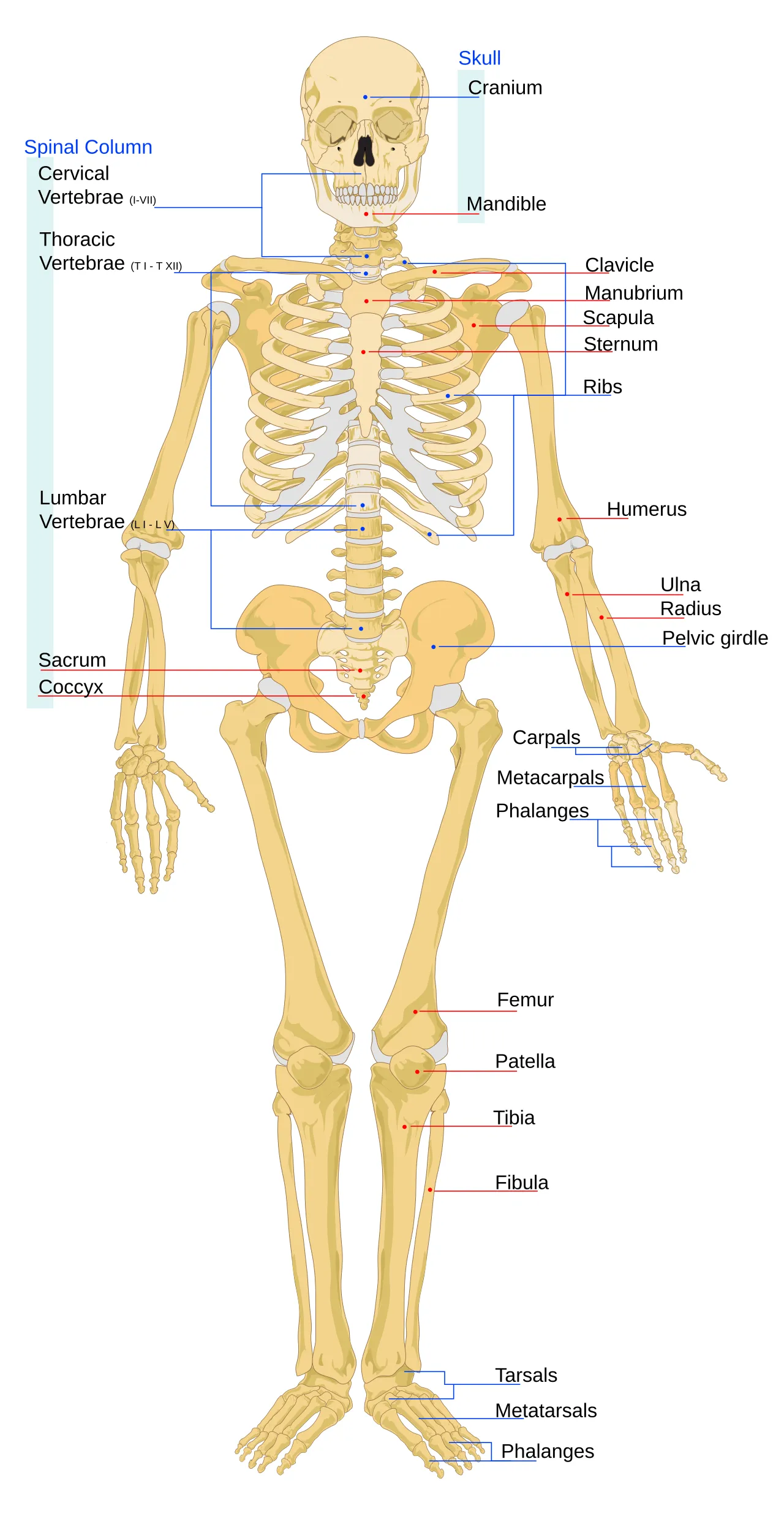 Skeletal systemThe adult's 206 bones plus cartilage, ligaments and joints, which give the body its frame, protect the organs, act as levers for muscles, store minerals and make blood cells.Draft
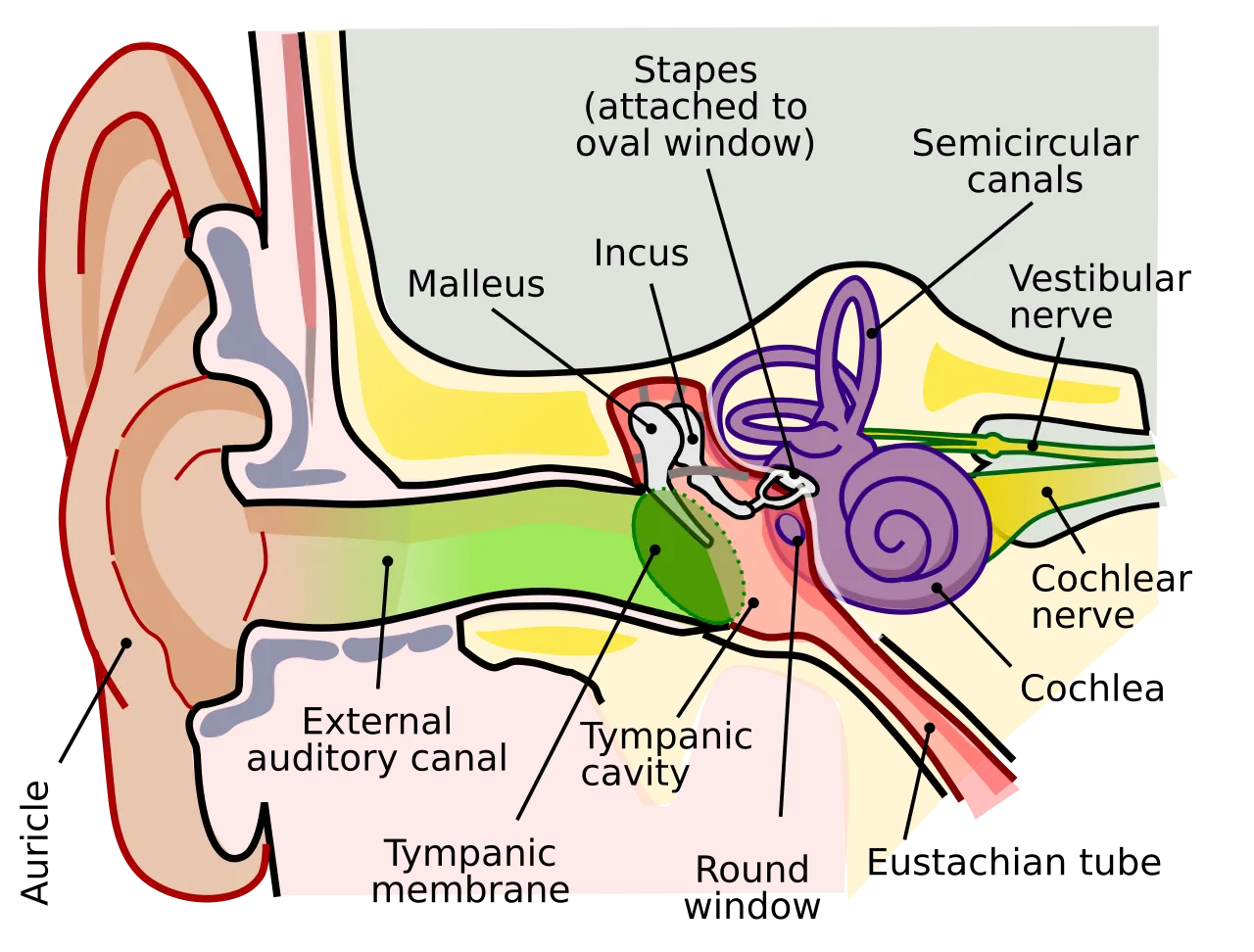 Special sensesVision, hearing, balance, taste and smell - the senses that have their own specialised organs in the head, as opposed to the general senses such as touch, pressure, temperature and pain.Draft
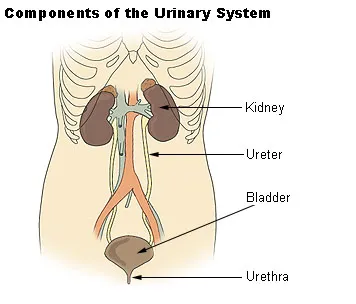 Urinary systemThe kidneys, ureters, bladder and urethra, which filter the blood, remove wastes as urine, and help control fluid volume, blood pressure, electrolytes and blood pH.Draft
Nothing matches.